
For many beef processing facilities, growth doesn’t stall because of demand, equipment, or labor. It stalls because of water.
That’s exactly the wall Best Beef ran into. Like most processors, the facility relied on an irrigation system to manage its process wastewater. It worked fine — until production climbed high enough that the irrigation system hit its maximum capacity. At that point, the facility wasn’t limited by how much beef it could process. It was limited by how much wastewater it could get rid of.
When Water Becomes the Bottleneck
Wastewater disposal is one of those behind-the-scenes constraints that rarely gets attention until it becomes the thing standing in the way of everything else. Once an irrigation system maxes out, a facility is stuck: it can’t respond to increased demand, can’t expand a shift, and can’t safely scale production, no matter how much capacity exists elsewhere in the plant.
Best Beef needed a way to manage wastewater volume without waiting on new permits, new land, or a lengthy capital project. That’s where Evaporation King came in.
A Turnkey Fix, Fast
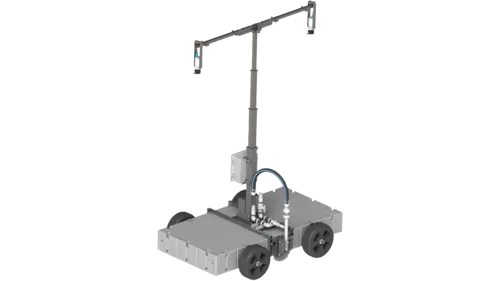
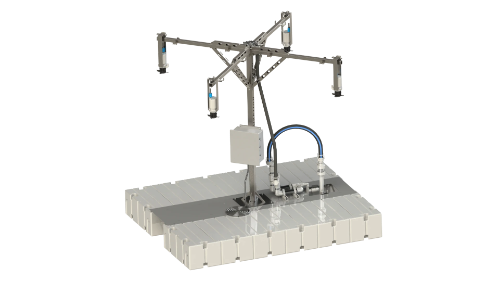
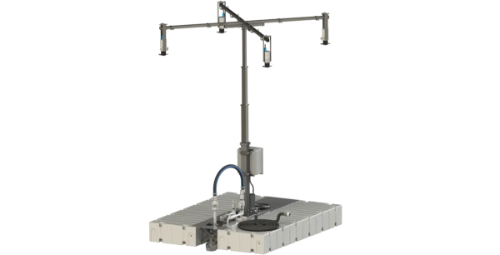
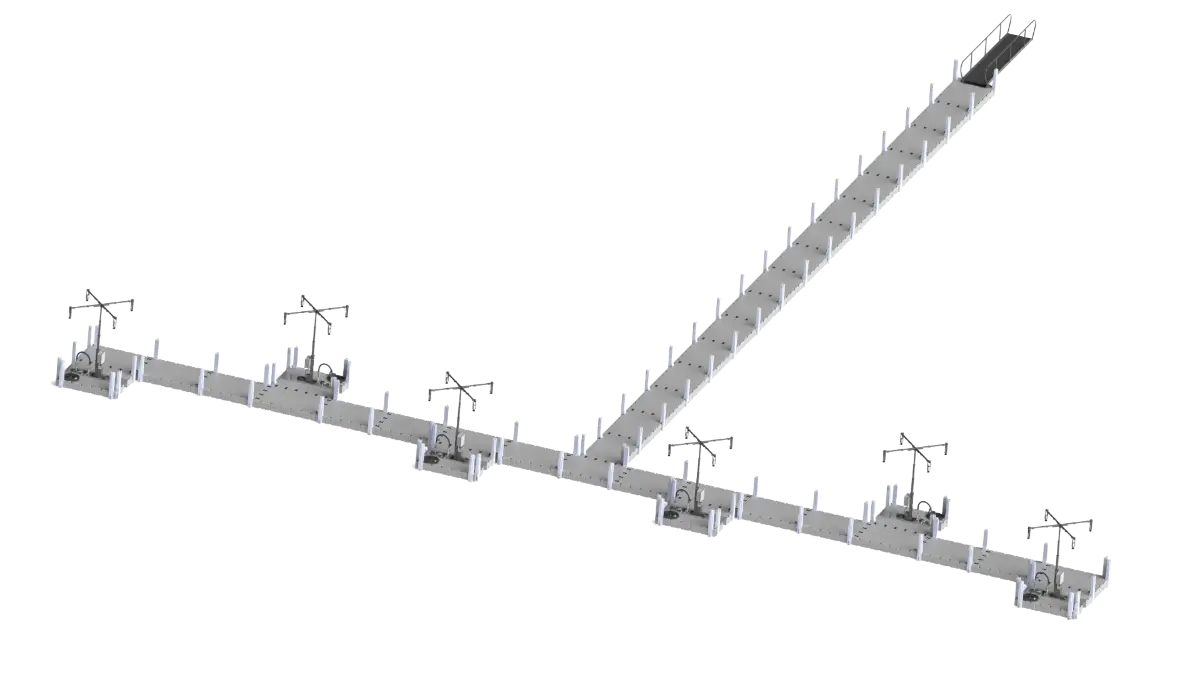
Rather than handing Best Beef a piece of equipment and a manual, Evaporation King took on the entire project — engineering, manufacturing, and commissioning a complete system built specifically for the facility’s needs. The solution: a Gladiator 720 wastewater evaporation system.
What stands out most is the timeline. From start to finish, the system was engineered, built, and up and running in just four to six weeks — a fraction of the time a traditional infrastructure upgrade would typically take.
The Science Behind the Solution
The Gladiator 720 works on a simple but powerful principle: the smaller the water droplet, the more surface area it has relative to its volume, and the faster it evaporates naturally.
By atomizing wastewater into microscopic droplets, the system dramatically increases the total surface area exposed to air. That means natural evaporation happens far faster and far more efficiently than it would with standard irrigation or open pond evaporation — cutting down wastewater volume without chemicals, without discharge permits, and without land-intensive spray fields.
The Payoff: Room to Grow
With the Gladiator 720 in place, Best Beef no longer operates under the ceiling its old irrigation system imposed. The facility can now run without the wastewater restrictions that once capped production.
Even better, the added evaporation capacity means Best Beef isn’t just solving today’s problem — it’s positioned for tomorrow’s. The facility now has the headroom to potentially double or triple production, all while continuing to manage water responsibly.
The Bigger Picture
This case study is a reminder that process constraints aren’t always where you’d expect them. A facility can have the equipment, staff, and market demand to grow — and still be held back by something as unglamorous as wastewater capacity.
For Best Beef, the fix wasn’t a redesign of the whole plant. It was a targeted, fast-turnaround evaporation system that removed the one bottleneck standing between current output and future growth — proof that sometimes the biggest operational wins come from solving the quietest problems first.