
Understanding the Hydrologic Cycle
The hydrologic cycle, also known as the water cycle, is a continuous process that circulates water throughout the Earth’s atmosphere, land, and oceans. It involves various stages such as evaporation, condensation, precipitation, and runoff. Understanding this cycle is essential to comprehend the importance of preserving water.
Water is constantly evaporating from various sources such as lakes, rivers, and oceans due to the heat from the sun. This water vapor then rises into the atmosphere, where it cools and condenses into clouds. Eventually, these clouds release moisture in the form of precipitation, which can be in the form of rain, snow, or hail. The water then flows into bodies of water or infiltrates into the ground, replenishing the Earth’s water sources.
The hydrologic cycle is crucial for sustaining life on Earth. It ensures a continuous supply of water for various purposes, including drinking, agriculture, and industrial activities. By understanding this cycle, we can better appreciate the significance of preserving water and maintaining its balance in the environment.
The Importance of Water Preservation
Water preservation is vital for the sustainability of ecosystems and human activities. With a growing global population and increasing water scarcity, it is crucial to conserve and manage water resources effectively.
Preserving water helps to maintain the delicate balance of the hydrologic cycle. By reducing water wastage and implementing sustainable practices, we can ensure the availability of clean and safe water for current and future generations. Water preservation also plays a significant role in mitigating the impact of droughts and maintaining ecosystem health.
Furthermore, water preservation contributes to energy conservation. The process of treating and distributing water requires a significant amount of energy. By conserving water, we can reduce energy consumption and decrease the environmental footprint associated with water management.
Overall, water preservation is essential for environmental sustainability, human well-being, and the overall health of the planet.
Introducing Enhanced Evaporation Offset Credits
Enhanced evaporation offset credits are a innovative solution to address water scarcity and promote water preservation. These credits incentivize the use of enhanced evaporation technologies to increase the evaporation rates of water bodies, thus reducing the amount of water lost to the atmosphere.
The concept behind enhanced evaporation offset credits is to compensate for the water loss through evaporation by replenishing it with purified water. This can be achieved through various methods, such as using solar-powered evaporation ponds or specialized equipment that enhances the evaporation process.
By implementing enhanced evaporation technologies, we can maximize water availability for other purposes while reducing the overall water loss. These technologies can be particularly beneficial in arid regions or areas facing water scarcity, where every drop of water counts.
Introducing enhanced evaporation offset credits provides an economic incentive for organizations and individuals to adopt these technologies and contribute to water preservation efforts. It encourages innovation and collaboration in developing sustainable solutions to address water challenges.
The Mechanism Behind Enhanced Evaporation
Enhanced evaporation technologies utilize various mechanisms to increase the evaporation rates of water bodies. These mechanisms can vary depending on the specific technology used, but they generally involve optimizing the environmental conditions for evaporation.
One common method is the use of solar-powered evaporation ponds. These ponds are designed to maximize solar energy absorption and create favorable conditions for evaporation. The water in these ponds is exposed to sunlight, which heats up the water and accelerates the evaporation process.
Another approach is the use of specialized equipment that enhances evaporation. This can include devices that increase the surface area of water exposed to the air or technologies that create turbulence to enhance vapor exchange between the water and the atmosphere.
The mechanism behind enhanced evaporation is to maximize the evaporation rates while minimizing water loss due to factors such as wind or other natural processes. These technologies aim to optimize water usage and reduce water wastage, contributing to water preservation efforts.
Benefits and Applications of Enhanced Evaporation Offset Credits
Enhanced evaporation offset credits offer numerous benefits and applications in the realm of water preservation. Some of the key benefits include:
– Increased water availability: By reducing the water loss through evaporation, enhanced evaporation technologies can increase the availability of water for other purposes such as agriculture, industry, and domestic use.
– Environmental sustainability: The use of enhanced evaporation technologies promotes sustainable water management practices and contributes to environmental conservation.
– Economic incentives: Enhanced evaporation offset credits provide economic incentives for organizations and individuals to adopt these technologies, fostering innovation and collaboration in the water preservation field.
– Drought mitigation: Enhanced evaporation technologies can help mitigate the impact of droughts by maximizing water availability and reducing water wastage.
The applications of enhanced evaporation offset credits are diverse and can be implemented in various sectors. This includes agriculture, where water availability is crucial for crop irrigation, and industrial processes that require significant water usage. Additionally, these technologies can be applied in wastewater treatment plants to enhance the evaporation of purified water, reducing the need for additional disposal methods.
Overall, enhanced evaporation offset credits have the potential to revolutionize water preservation efforts and contribute to a sustainable future.
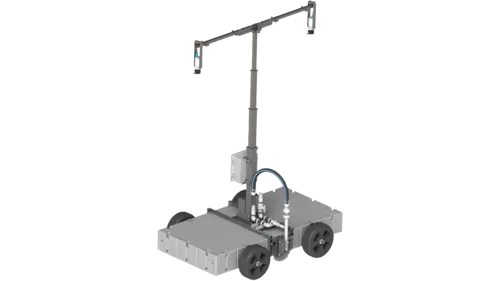
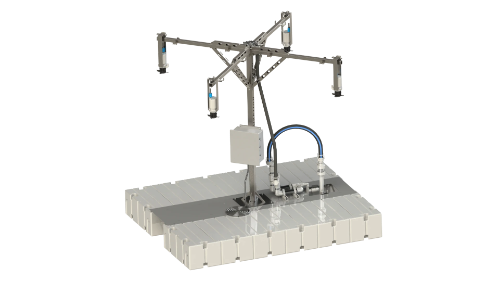
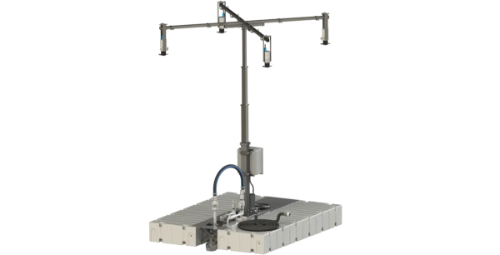
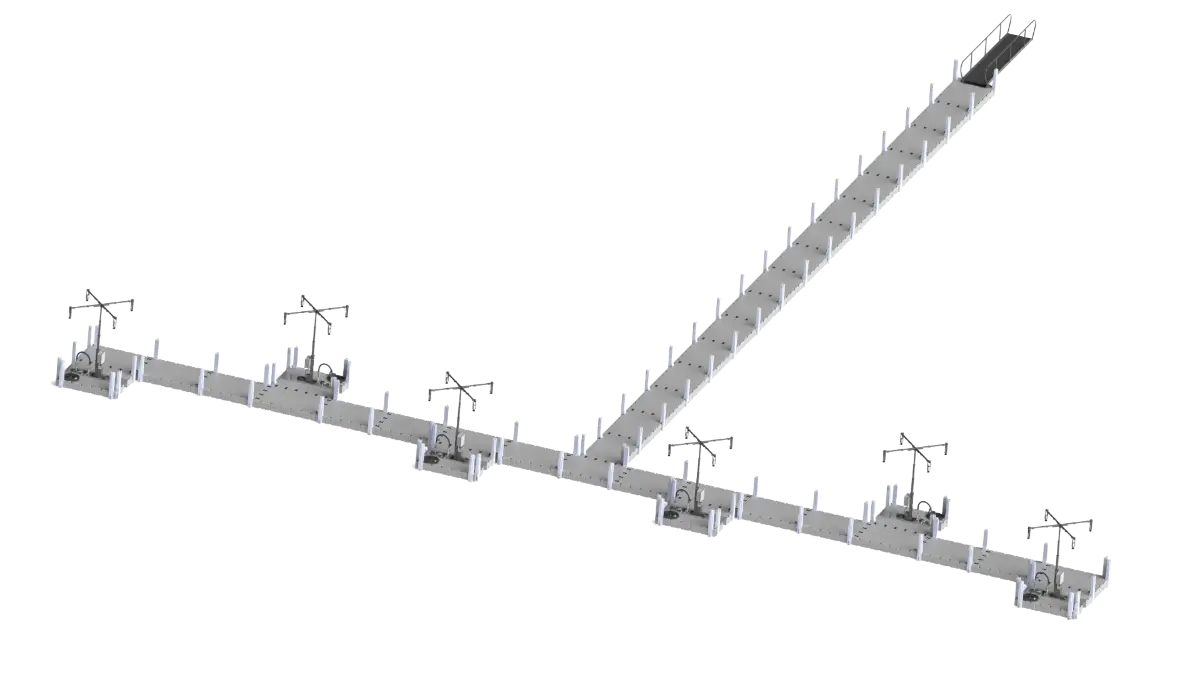
Evaporation King proudly presents the Gladiator 120 and the Gladiator PLUS, two cutting-edge enhanced evaporation systems that offer unparalleled operational efficiency and unrivaled performance. Equipped with our latest patent-pending specialized 18,000 RPM high-speed motor and state-of-the-art directional atomization heads, these systems are specifically designed to help our customers maximize their evaporation offset credits. With Evaporation King’s innovative technology, you can be confident in achieving optimal results while preserving water and contributing to a sustainable future.